Stinging, Gritty Eyes in the Inland Empire Heat? How Riverside Air Conditioning Triggers Severe Dry Eye

When Riverside temperatures climb, air conditioning becomes part of everyday life. You may move from a hot parking lot into a cool office, shopping center, home, or car several times a day. While that cold air provides relief from the Inland Empire heat, constant airflow can leave your eyes burning, gritty, watery, or blurry. At eyeDOC OPTOMETRY in Riverside, we provide dedicated dry eye evaluations and treatment to identify what is causing persistent irritation and develop care based on your individual needs.
Why Air Conditioning Can Make Dry Eye Worse
Your eyes depend on a healthy tear film to keep the surface lubricated, clear, and comfortable. When tears evaporate too quickly or are poor quality, the eye can become irritated.
Air conditioning can worsen this problem because moving air increases evaporation from the ocular surface. The National Eye Institute specifically recommends avoiding direct exposure to air conditioning, wind, and other drying environments when managing dry eye.
For Riverside patients who spend much of August moving between extreme outdoor heat and air-conditioned indoor spaces, repeated exposure to dry, circulating air can make an existing tear film problem much more noticeable.
Why Your Eyes Can Feel Gritty, Burning, or Watery
Dry eye does not always feel simply dry. Common symptoms can include burning, stinging, blurry vision, tired eyes, and difficulty reading. eyeDOC OPTOMETRY notes that dry eye can occur when you do not produce enough tears or when the tears you produce are not high enough quality to properly lubricate the eyes.
Some patients also experience excessive watering. When the ocular surface becomes irritated, the eyes may respond with reflex tears. These watery tears can spill over without providing the stable tear film needed for long-lasting comfort.
Meibomian gland dysfunction can also contribute. These glands produce the oily layer of your tears that helps slow evaporation. When they become blocked or dysfunctional, tears may evaporate faster.
Signs You May Need More Than Artificial Tears
Occasional dryness may improve once you move away from direct airflow. Persistent symptoms, however, deserve a closer evaluation. Pay attention to:
- Burning, stinging, or gritty sensations that repeatedly return
- Blurry or fluctuating vision
- Watery eyes that still feel irritated
- Redness after spending time in air conditioning
- Contact lenses becoming increasingly uncomfortable
- Eye fatigue during reading or computer work
- Artificial tears providing only brief relief
These symptoms can have several causes, which is why identifying the type and severity of dry eye is important before selecting treatment.
How We Diagnose Dry Eye in Riverside
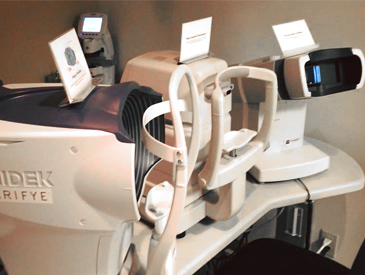
At eyeDOC OPTOMETRY, advanced diagnostic testing allows us to look beyond symptoms alone. TearLab measures tear osmolarity to provide information about tear film stability, while InflammaDry detects elevated MMP-9, an inflammatory marker associated with dry eye.
We can also evaluate the meibomian glands using specialized photography. Seeing the structure of these glands helps us determine whether meibomian gland dysfunction and excessive tear evaporation are contributing to your discomfort.
This information allows treatment to be directed toward the underlying problem instead of simply recommending more lubricating drops.
Advanced Dry Eye Treatment Goes Beyond Basic Drops
Mild dry eye may respond to artificial tears, lifestyle changes, better hydration, and reducing direct airflow. When symptoms are more persistent, additional treatment may be necessary.
eyeDOC OPTOMETRY offers advanced dry eye options including LipiFlow thermal pulsation and intense pulsed light therapy. LipiFlow uses controlled warmth and massage to help unblock oil glands, while IPL uses pulses of light as part of treatment for clogged eyelid glands. The practice also provides punctal plugs and specialty contact lens options for appropriate patients.
If Riverside air conditioning is leaving your eyes stinging, gritty, blurry, or uncomfortable throughout the summer, schedule a dry eye evaluation with eyeDOC OPTOMETRY at 2051 Galleria at Tyler, Riverside, CA 92503, or call 951-621-8300 to identify what is causing your symptoms and find a treatment plan designed for lasting eye comfort.
Quick Links
Helpful Articles
article_category: products
article_category: psychiatry
article_category: faqs
article_category: cats
article_category: general
article_category: services
article_category: technology
article_category: dogs
article_category: restorative
article_category: vision therapy
article_category: contact lenses
article_category: health
article_category: conditions
article_category: eye surgery co-management
article_category: exotic
article_category: cosmetic
article_category: surgical procedures
article_category: aesthetics
article_category: preventative
article_category: ocular disease management
article_category: eyeglasses
article_category: eye health
article_category: large animal
[]
article_category: psychiatry
article_category: faqs
article_category: cats
article_category: general
article_category: services
article_category: technology
article_category: dogs
article_category: restorative
article_category: vision therapy
article_category: contact lenses
article_category: health
article_category: conditions
article_category: eye surgery co-management
article_category: exotic
article_category: cosmetic
article_category: surgical procedures
article_category: aesthetics
article_category: preventative
article_category: ocular disease management
article_category: eyeglasses
article_category: eye health
article_category: large animal
[]
Flowbite is an open-source library of interactive components built on top of Tailwind CSS including buttons, dropdowns, modals, navbars, and more.
Check out this guide to learn how to get started and start developing websites even faster with components on top of Tailwind CSS.
All Eye Care Services
Find personalized eye care excellence with our comprehensive services. From eye exams to advanced diagnostics, trust us for all your vision needs.
Keep In Touch
For non-urgent questions or to learn more about our services, contact us today!
© 2026 eyeDOC OPTOMETRY. All rights Reserved - Accessibility Statement - Privacy Policy - Sitemap
Managed and Designed by 