Why Early Myopia Management Matters
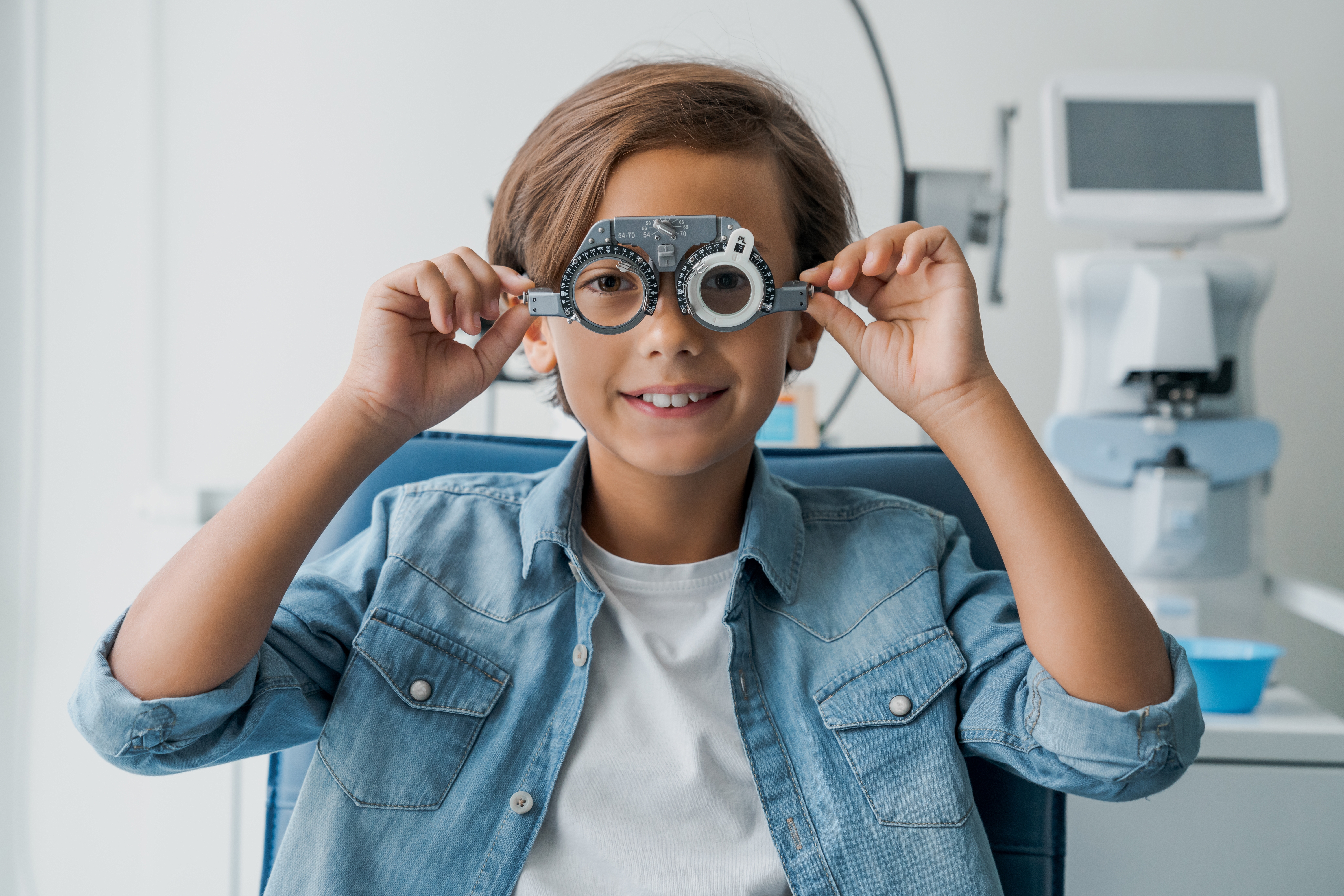
If your child’s glasses get stronger each year, it may seem normal. Kids grow, eyes change, and prescriptions increase. But myopia is more than blurry distance vision; it is about fast eye growth. Rapid growth can cause serious problems later. That is why early management is important.
What Is Myopia?
In myopia, the eyeball elongates, distorting distance vision. This causes light to focus in front of the retina, so distant objects appear blurry. Myopia often begins in childhood and can get worse every few months until the late teens or early twenties.
Regular glasses and contacts help your child see clearly, but they do not slow the rate of eye growth. The vision improves, but the myopia can still get worse.
Why Slowing Myopia Down Is Important
- It Lowers the Risk of Eye Disease Later
Having high myopia now can mean a higher risk for serious eye trouble down the road, like retinal detachment or glaucoma. The stronger the prescription, the higher the risk. Early management helps protect against these problems.
- It Protects Vision, Not Just Prescription
A child with high myopia might not see 20/20 even with glasses because the eye has stretched too much. Managing myopia early helps keep prescriptions lower and vision clearer.
- It Means Fewer Prescription Changes
When myopia is managed, the eye grows more slowly. This results in fewer visits to the eye doctor and less time adjusting to new glasses each year.
- It Improves Quality of Life
A child who sees clearly without always needing stronger glasses can feel more confident. They are better able to participate in sports, read, and learn without the frustration of blurry vision.
How Myopia Management Works
Myopia management uses treatments designed to slow eye growth. These treatments are not the same as standard glasses or contacts. They serve two purposes at once: correcting vision for daily life and sending signals to the eye to slow elongation.
- Specialized Glasses
Lenses such as DIMS or HAL designs create peripheral defocus. By focusing light differently in the side vision, they help slow eye growth, which can lower the risk of future eye diseases and keep prescriptions lower. These glasses look normal and work well for younger children.
- Soft Contact Lenses
Lenses such as MiSight have a dual-focus design that corrects vision while slowing eye elongation. Fewer prescription changes and better long-term vision are the payoff. Teens and active kids usually prefer contacts to glasses.
- Orthokeratology
These special lenses are worn overnight and softly reshape the cornea as you sleep. This lets your child see clearly all day without lenses, and the reshaping process helps slow down eye growth, reducing the risk of complications associated with high myopia.
- Atropine Eye Drops
Low-dose atropine, usually 0.05% or 0.01%, has been shown to slow myopia progression. It does not correct vision, so glasses or contacts are still needed. However, adding atropine can provide additional control over eye growth and help maintain healthier eyes in the future.
For more on early myopia management, visit eyeDOC OPTOMETRY. Our office is in Riverside, California. Call (951) 621-8300 to schedule an appointment today.
https://expressiveeyes.co.uk/?page_id=3331
Quick Links
Helpful Articles
article_category: products
article_category: psychiatry
article_category: faqs
article_category: cats
article_category: general
article_category: services
article_category: technology
article_category: dogs
article_category: restorative
article_category: vision therapy
article_category: contact lenses
article_category: health
article_category: conditions
article_category: eye surgery co-management
article_category: exotic
article_category: cosmetic
article_category: surgical procedures
article_category: aesthetics
article_category: preventative
article_category: ocular disease management
article_category: eyeglasses
article_category: eye health
article_category: large animal
[]
article_category: psychiatry
article_category: faqs
article_category: cats
article_category: general
article_category: services
article_category: technology
article_category: dogs
article_category: restorative
article_category: vision therapy
article_category: contact lenses
article_category: health
article_category: conditions
article_category: eye surgery co-management
article_category: exotic
article_category: cosmetic
article_category: surgical procedures
article_category: aesthetics
article_category: preventative
article_category: ocular disease management
article_category: eyeglasses
article_category: eye health
article_category: large animal
[]
Flowbite is an open-source library of interactive components built on top of Tailwind CSS including buttons, dropdowns, modals, navbars, and more.
Check out this guide to learn how to get started and start developing websites even faster with components on top of Tailwind CSS.
All Eye Care Services
Find personalized eye care excellence with our comprehensive services. From eye exams to advanced diagnostics, trust us for all your vision needs.
Keep In Touch
For non-urgent questions or to learn more about our services, contact us today!
© 2026 eyeDOC OPTOMETRY. All rights Reserved - Accessibility Statement - Privacy Policy - Sitemap
Managed and Designed by 